
Back
Why War Risk Coverage Cargo Matters for UAE Shipments
March 5, 2026
5:46 PM
Why War Risk Coverage Cargo Matters for UAE Shipments
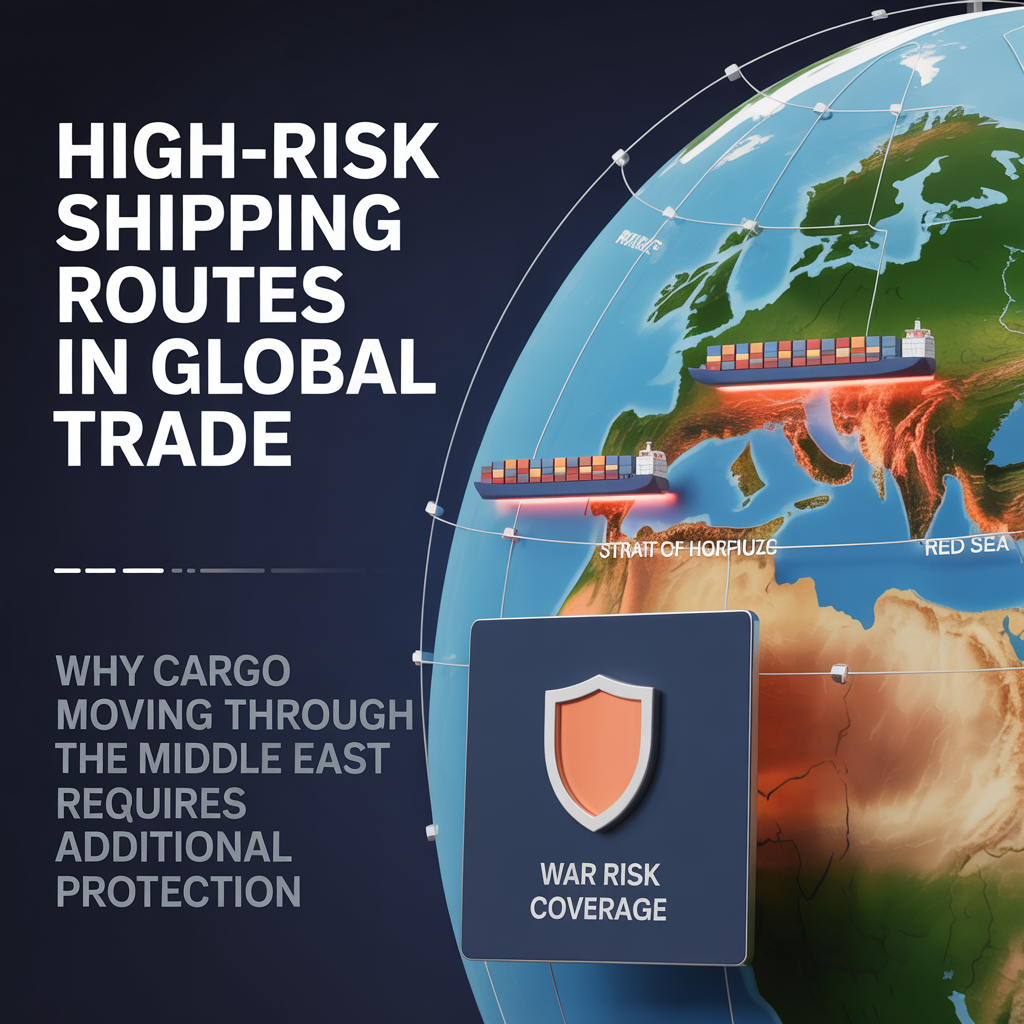
The United Arab Emirates stands at the crossroads of global trade, handling millions of tons of cargo annually through its strategic ports. Yet, this geographical advantage comes with inherent risks. Regional tensions, geopolitical conflicts, and maritime security threats make war risk coverage for shipping and cargo not just advisable but essential for businesses operating in and around the UAE. Understanding what war risk insurance covers can mean the difference between financial ruin and business continuity when the unexpected strikes.
The Unique Risk Landscape in the Middle East
The waters surrounding the UAE have witnessed their fair share of maritime incidents over recent years. From attacks on vessels in the Gulf of Oman to tensions in the Strait of Hormuz, the region’s strategic importance makes it a flashpoint for conflict. Standard marine insurance policies typically exclude war-related perils, leaving cargo owners and shipping companies exposed to potentially catastrophic losses. This gap in coverage creates a vulnerability that savvy businesses cannot afford to ignore.
War risk insurance shipping policies fill this critical void by covering losses that conventional marine insurance explicitly excludes. The coverage extends beyond actual warfare to include strikes, riots, civil commotions, terrorism, and piracy all real threats in today’s complex geopolitical environment.
What Does War Risk Insurance Cover?
War risk coverage cargo policies provide protection against a comprehensive range of perils that standard marine insurance policies deliberately avoid. These include physical damage or loss of cargo resulting from war, civil war, revolution, rebellion, insurrection, or civil strife arising from such events. The coverage also extends to capture, seizure, arrest, restraint, or detainment by governmental or military authorities.
Terrorism and Piracy Protection
One of the most valuable aspects of war risk insurance for cargo owners is its coverage of terrorist acts and piracy. These threats remain persistent in certain maritime corridors, particularly those connecting the Middle East to global markets. The insurance responds when cargo is damaged, destroyed, or stolen during such incidents, providing financial compensation that allows businesses to recover and continue operations.
Why UAE-Based Businesses Need Specialized Coverage
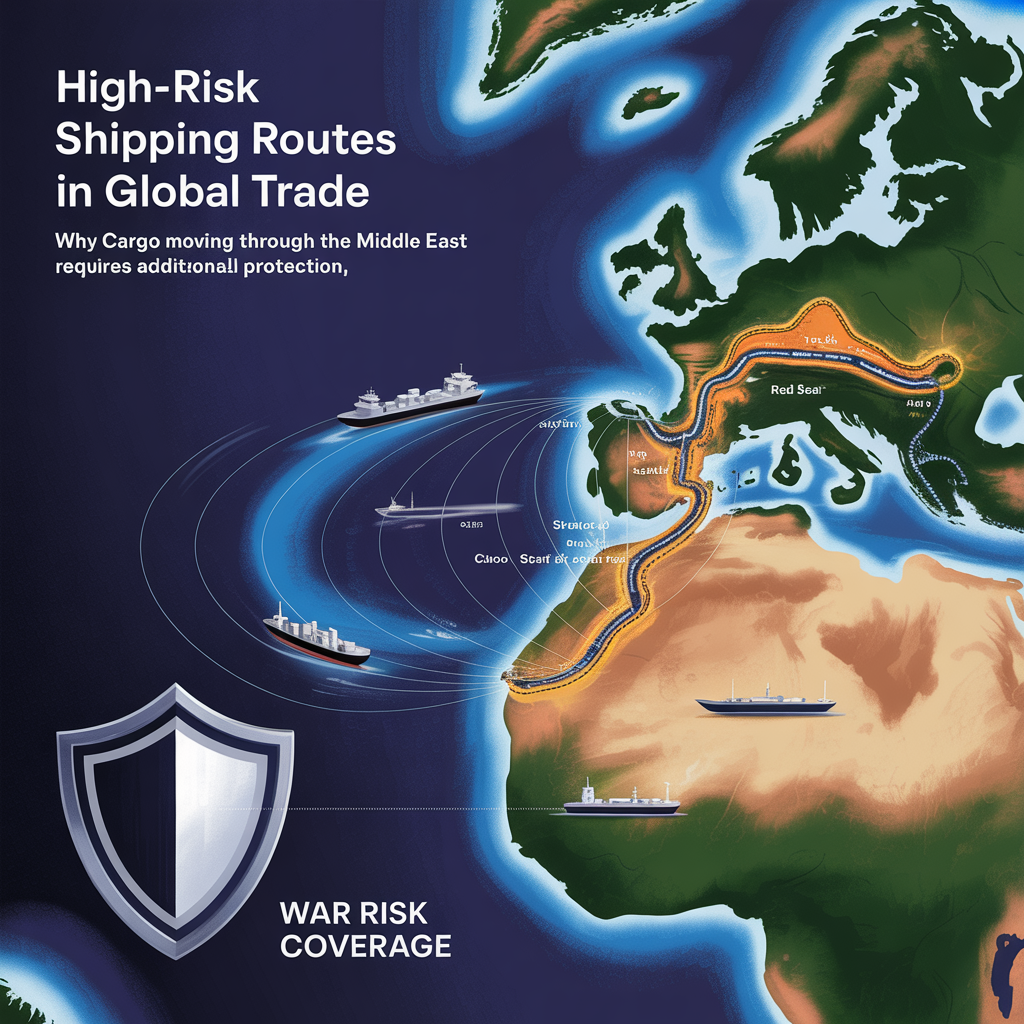
The UAE’s position as a regional trade hub means that cargo moving through its ports often originates from or is destined for areas experiencing varying degrees of instability. Dubai, Abu Dhabi, and other emirates serve as transshipment points for goods traveling to and from Asia, Africa, and Europe. This exposure to multiple risk zones amplifies the need for comprehensive war risk coverage.
Furthermore, the insurance market in the UAE has developed sophisticated products tailored to regional needs. Local insurers and international underwriters with UAE operations understand the specific risk profiles of different trade routes and can structure policies that provide optimal protection without unnecessary cost.
The Financial Impact of Going Uninsured
Consider the financial implications of a single incident. A container vessel carrying high-value electronics worth millions of dollars gets detained in a conflict zone. Without war risk coverage, the cargo owner bears the entire loss. The ripple effects extend beyond the immediate financial hit—supply chain disruptions, contractual penalties, and damaged business relationships can compound the damage exponentially.
How War Risk Premiums Are Calculated
War risk insurance shipping premiums fluctuate based on current threat assessments and geographical routing. Insurers constantly monitor global hotspots and adjust rates accordingly. A shipment passing through the Strait of Hormuz during heightened tensions will command higher premiums than one traveling through more stable waters. The cargo value, vessel type, and specific route all factor into the final premium calculation.
Interestingly, these premiums can change rapidly sometimes within hours, as geopolitical situations evolve. This dynamic pricing reflects the real-time nature of maritime security risks and underscores the importance of working with knowledgeable insurance brokers who maintain current market intelligence.
Navigating Policy Exclusions and Limitations
While war risk coverage cargo policies offer broad protection, they’re not without limitations. Most policies exclude losses resulting from nuclear, biological, or chemical weapons. Some exclude cyber warfare or electronic attacks on vessel navigation systems. Understanding these exclusions helps businesses identify additional coverage needs and avoid unpleasant surprises during claims.
The Claims Process
Filing a war risk claim requires meticulous documentation. Cargo owners must provide evidence of the loss, proof of the war-related cause, and detailed valuation documentation. The claims process can be lengthy, particularly when incidents occur in conflict zones where investigation proves challenging. Working with experienced claims handlers familiar with UAE regulations and international maritime law streamlines this process significantly.
Best Practices for UAE Cargo Owners
Smart cargo owners take a proactive approach to war risk management. They regularly review their insurance programs to ensure coverage limits match current cargo values. They maintain open communication with insurers about routing changes or new trade lanes. They also stay informed about regional developments that might affect their risk profile and insurance costs.
Diversifying routes when possible reduces concentration of risk in any single geographical area. While this isn’t always feasible given the UAE’s location, strategic planning can minimize exposure to the highest-risk corridors.
The Future of War Risk Insurance in the Region
As global trade patterns shift and new technologies emerge, war risk insurance continues to evolve. Autonomous vessels, blockchain-based cargo tracking, and artificial intelligence in risk assessment are reshaping how insurers evaluate and price war risk coverage. For businesses operating in the UAE, staying ahead of these developments ensures they maintain adequate protection in an ever-changing risk landscape.
The regional insurance market shows no signs of simplifying. If anything, the complexity of modern maritime threats demands increasingly sophisticated insurance solutions. Cargo owners who treat war risk coverage as a strategic business tool rather than a regulatory checkbox position themselves for long-term success in international trade. The question isn’t whether you can afford war risk insurance, it’s whether you can afford to operate without it in one of the world’s most strategically important yet geopolitically complex regions.
