Back
Political Risk Insurance UAE: Protecting Assets from Unrest
March 13, 2026
8:51 AM
- Why Insurance for Building Projects Dubai Is Non-Negotiable
- Insurance for Building Projects Dubai: Everything You Must Know
- Construction Project Insurance Dubai: What Every Builder Needs
- Why Mandatory Construction Insurance Dubai Matters for Projects
- How to Secure Insurance for Building Projects Dubai: 2026 Update
Political Risk Insurance UAE: Preempting Losses from Internal Turmoil
As globalization progresses and countries become more interconnected, the United Arab Emirates has become a home for businesses that deal with complex geopolitical risks that are not restricted to their domestic issues. Despite the Emirates being perceived as a secure and stable environment, companies with regional risk exposure, supply lines, or investments in other markets are still at risk of political violence and civil unrest. Understanding the role of war and political violence insurance in protecting the assets has turned into a sine qua non for risk managers and corporate leaders who strive to invest in this vibrant area.
Grappling with War and Political Violence Insurance in the UAE Context
Political violence insurance is a specific type of insurance arranged to protect a company’s assets against the loss of such things as civil unrest, terrorism casualty, strikes, and damages resulting from malevolence. This type of insurance, in addition to the physical assets such as buildings, equipment, and stock, for companies based in the UAE, covers also the losses caused by business interruptions that can seriously harm cash flow during the times of unrest. The special policies that cover war risks for such companies become all the more relevant in the case of enterprises that have a foothold all over the Middle East and North Africa region, where political tensions that may escalate suddenly beyond all expectations can affect commercial activities.
The Question of Corporate Asset Health and Political Instability
The financial effects of political violence can far exceed the damages inflicted on the facilities. When the operations are disrupted because of violent civil disobedience, the companies will have to suffer through a chain of losses, including broken supply chains, primary concerns with employee safety, failing contracts, and damage to reputation. Traditional property insurance policies are usually omitted with losses that are the result of political violence; therefore, the company’s risk management plan is insufficient. This exclusion makes political risk insurance In return; businesses in the UAE realize both inconvenience and jeopardy, so the component is indispensable to basic asset protection. Such companies are typically involved in infrastructure, manufacturing, or logistics.
The Global Picture of Risk
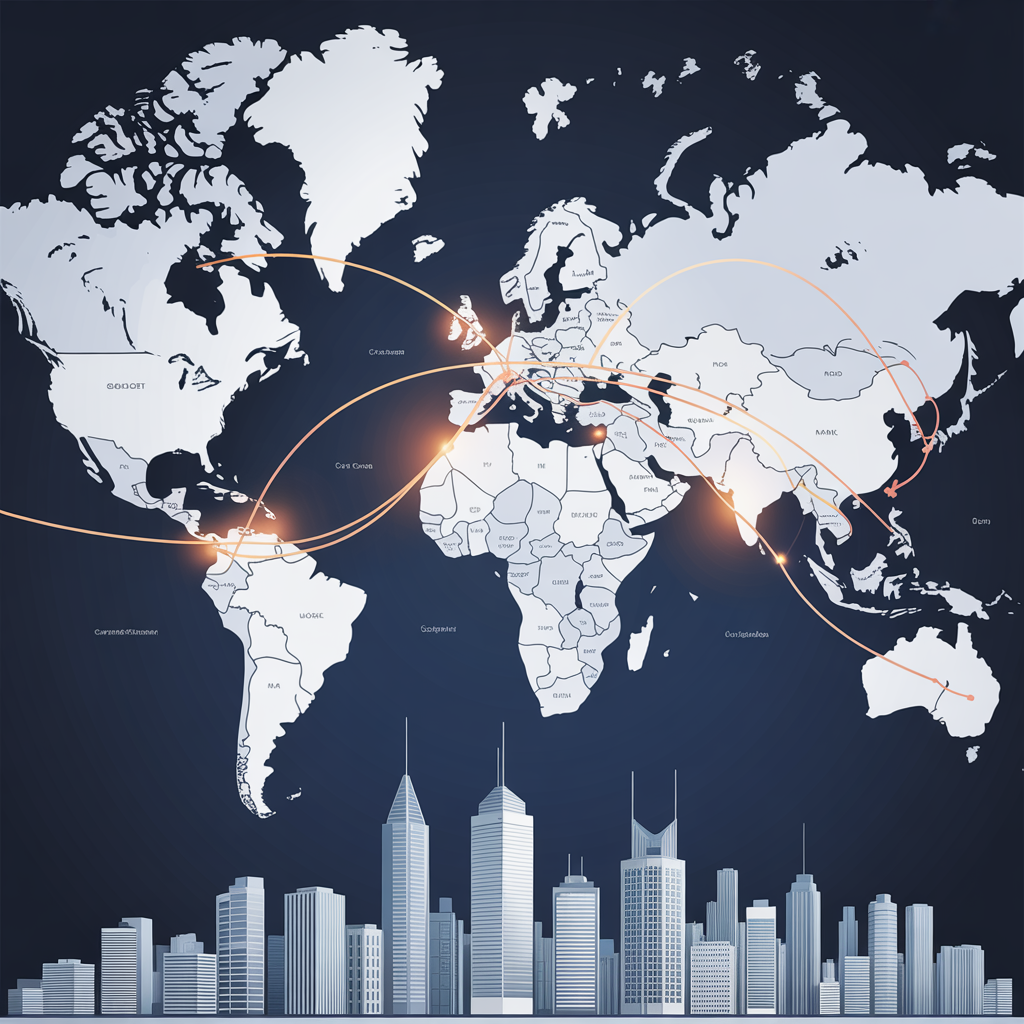
Regional tension presents a real challenge to business in the UAE’s largely stable domestic environment. Thus, there are real risks for companies that operate across the boundaries of countries. They expose themselves to internal instability such as revolutions, the breakdown of freight transport systems, and deteriorated security. The interconnectedness of modern business means that an area of discontent strategically located away could delay projects, disrupt operations, and compromise asset security. Political violence insurance providers in UAE fill these cross-border loopholes by extending coverage along the operational footprint instead of being limited by domestic boundaries.
The Essentials of Asset Protection Insurance
In order to protect a company’s asset from political violence, comprehensive insurance must be arranged first. A physical damage policy protects the building, machinery, stock, and any equipment that is damaged or destroyed due to riots, strikes, civil commotion, and terrorism acts. Business interruption coverage compensates for the potential losses the company will incur during the time the business is closed due to the political violence, the company loses profit, and has increased expenses. Furthermore, some extensions could be like kidnap and ransom coverage, evacuation expenses, and loss of transit assets through unstable areas.
Policies Triggers and Initiating Policy
To identify what events are covered by the political risk insurance, one needs to pay close attention to the definitions provided in the policy. Usually, insurers define political violence as violence against people or property that is carried out for political, ideological, or religious reasons. Coverage becomes effective if the insured assets suffer direct physical loss or damage from the mentioned perils or when the insured operations cease due to political violence events. The difference between criminal acts and politically motivated violence is crucial for the claims assessment, so precise policy wordingґis necessary for effective coverage.
Identification of Risks in Your Firm
To find out the right coverage level one has to begin with a thorough risk assessment that examines geographic exposure, asset concentration, operational dependencies, and supply chain vulnerabilities. Companies should look into both the direct exposures from their owned facilities as well as the indirect ones through suppliers, contractors, and logistics partners. The evaluation gives information about important assets whose damage or loss would have a significant effect on the business continuity, thus assisting to prioritize the investment insurance for political instability. Moreover, Risk Managers should also think about the time aspect when political risks are changing with the election cycles, economic conditions, and regional tensions.
Industry-Specific Challenges
Sectors differ from each other regarding the exposure of political violence thus needs specific fashion coverage. For example, energy firms with infrastructure investments in frontier markets require wider physical damage and business interruption coverage. Also, retail and hospitality businesses will face risks with civil commotion distracting customers from such areas. Manufacturing companies rely on supply chain continuity, which makes supplier contingency coverage pivotal. Tech firms have to look after their intellectual property and data centers from the politically motivated attacks. Specific political violence insurance solutions are needed for each one along with operational vulnerabilities and offers assets profiles.
Establishing Effective Risk Management Controls
Even though the insurance covers the financial risks, the proactive risk mitigation initiatives will lower the general risk and possibly lead to lower premiums. Introducing robust security systems, reconfiguring supply chains, conducting regular threat evaluations, and creating crisis management plans will show the risk awareness to the insurers. Also, enterprises should keep a descriptive list of their assets with updated valuations, make sure through testing the business continuity plan is reliable and set up formal lines of communication for such emergencies. They will not only diminish vulnerability but will also make the claim process easier when they are faced with incidents.
The Claim Mechanism and Recovery
When the business is affected by political violence, it is important to inform the insurance company immediately in order to start the claims process. Supporting claims with evidence such as photographs, financial records, and official reports are critical in validating claims. The insurers will usually send experienced adjusters to the site who are accustomed to dealing with such claims and they will assess the damage, confirm if the coverage is applicable, and provide the loss amount.
It is also important to understand the policy waiting periods, especially for business interruption coverage, in order to have realistic recovery expectations. If you keep the insurance companies informed as well as providing them with the documents they require, they will deliver the settlements quickly and you will be able to restore a business sooner and revive the assets.
Political Risk Coverage Tomorrow
Political violence insurance is a market that shifts and evolves to address newly emerging threats. Recently, cyber-terrorism coverage has been included not only in the traditional political violence products but also in those which target infrastructures of companies. Climate change is a resource conflict-related reason for covering political instability and the insurance companies are adapting their policies to cope with this. The rise of social media-used protests&similar sites are flash mobs which do not fit easily into the conventional civil disturbance/category.
These laws are being changed in light of this reality, and so it is likely that the services offered by suppliers will be modified as a result. Thus, UAE businesses should partner with those insurers who offer flexible, future-oriented coverage that takes into account changing with time political risks while ensuring full protection for traditional exposures.
Corporate Future Securing
Mitigating the impact of political violence on corporate assets requires both a strategic and pragmatic approach. On the one side, it has to do with the inclusion of extended insurance coverage and, on the other side, it is related to the active management of risk. Thus for the firms that are located in the UAE directly or nearby, political violence insurance is not only a discretionary coverage but a fundamental part of good corporate governance..
This will help you to understand the available options, properly assess the firm risks, implement the right the mitigation measures and work with the reliable insurers to protect them from unexpected political incidents. At a time when the world is facing uncertain geopolitical situations, this cover will boost not only your found security but also your business growth and help you maintain your investments.
Secure Your Future with a Quick Quote
Secure your insurance with CoverB