Back
Guide to All Risk Insurance for Construction in the UAE
March 21, 2026
4:28 PM
- Why Insurance for Building Projects Dubai Is Non-Negotiable
- Insurance for Building Projects Dubai: Everything You Must Know
- Construction Project Insurance Dubai: What Every Builder Needs
- Why Mandatory Construction Insurance Dubai Matters for Projects
- How to Secure Insurance for Building Projects Dubai: 2026 Update
Guide to All Risk Insurance for Construction in the UAE
Construction projects in the UAE represent billions of dirhams in investment, from Dubai’s soaring skyscrapers to Abu Dhabi’s ambitious infrastructure developments. Yet despite meticulous planning and cutting-edge engineering, these projects face countless risks from equipment failure and material damage to natural disasters and third-party liability.
Construction all risk insurance has become an essential safeguard for developers, contractors, and investors navigating the region’s dynamic building landscape. Understanding how this comprehensive coverage works in the UAE context can mean the difference between a project setback and a financial catastrophe.
What Construction All Risk Insurance Actually Covers
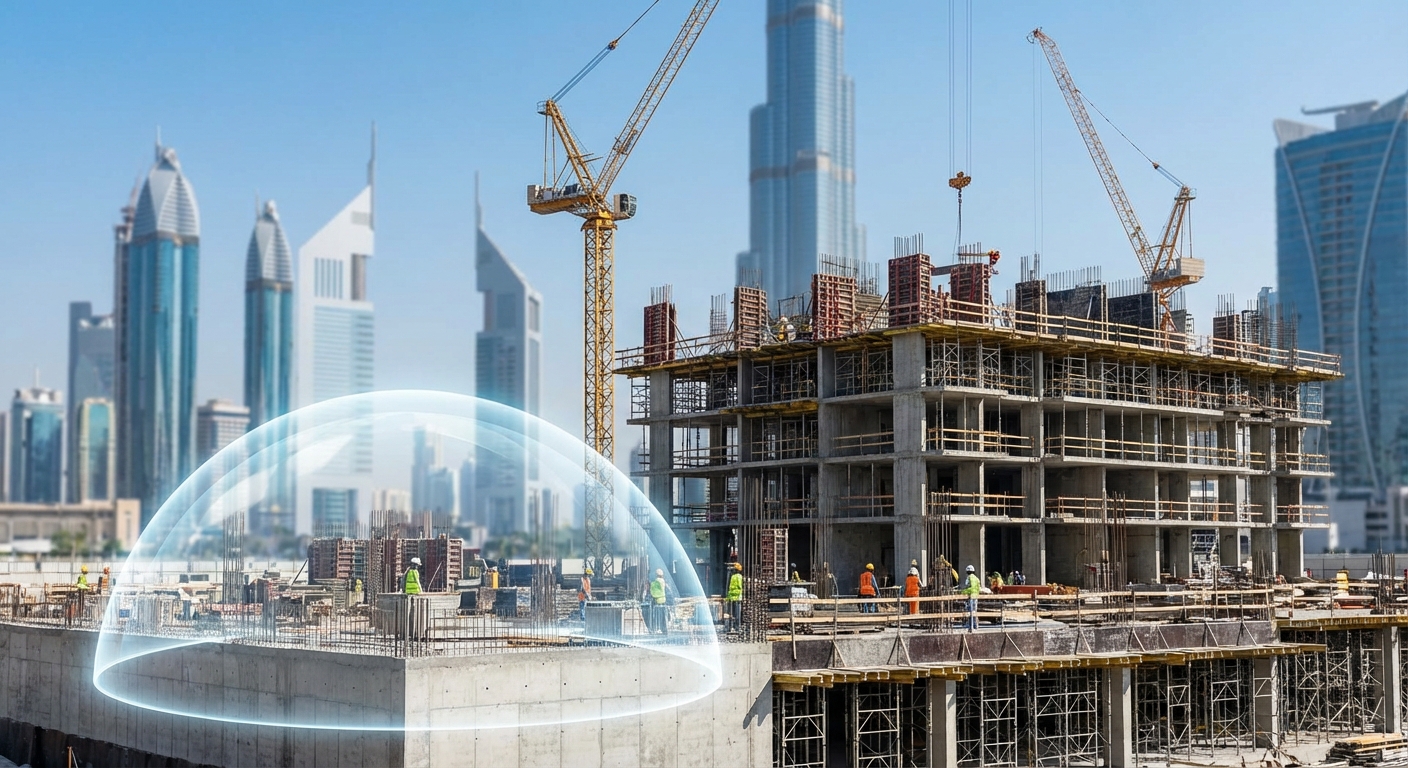
Construction all risk insurance UAE policies provide comprehensive protection for building projects from groundbreaking to completion. This coverage extends to physical damage or loss of construction works, materials, equipment, and temporary structures on site. The policy typically covers risks including fire, explosion, theft, vandalism, storms, flooding, and even subsidence critical considerations in a region where extreme weather events and challenging soil conditions can impact projects unexpectedly. Unlike standard property insurance, all risk insurance for construction operates on an “all risks” basis, meaning it covers everything except specifically excluded perils, rather than only named risks.
The coverage extends beyond the construction site itself. Most comprehensive construction project insurance policies in the UAE include protection for materials in transit, equipment belonging to contractors and subcontractors, and even existing structures adjacent to the construction site that might be damaged during works.
This breadth of coverage reflects the complex nature of modern construction projects, where materials arrive from global suppliers, multiple contractors work simultaneously, and urban construction often occurs in densely populated areas where collateral damage risks are elevated.
Why the UAE Construction Sector Demands Specialized Coverage
The UAE’s construction environment presents unique challenges that make best construction all risk insurance not just advisable but essential. The region’s extreme temperatures—regularly exceeding 45°C during summer months can affect material integrity and equipment performance. Sandstorms create visibility issues and can damage exposed materials and machinery. The UAE’s position along the Arabian Gulf also means projects face risks from humidity, salt corrosion, and occasional seismic activity, though the latter remains relatively minor compared to other regions.
Beyond environmental factors, the UAE’s construction sector operates under specific regulatory frameworks. Many developers and contractors must comply with stringent insurance requirements mandated by government entities, free zones, and financial institutions providing project funding. Dubai Municipality and Abu Dhabi’s Department of Municipalities and Transport often require proof of adequate construction all risk insurance before issuing permits or approving project milestones. This regulatory landscape means that securing appropriate coverage isn’t optional it’s a prerequisite for legal operation and project advancement.
Key Policy Features and Extensions in UAE Markets
Standard construction all risk insurance policies in the UAE typically include several core components. The material damage section covers the physical construction works and associated costs. The third-party liability section often called public liability—protects against claims from injuries to workers or the public, and damage to neighboring properties. Advanced loss of rent coverage may apply to projects involving existing structures, while debris removal and professional fees coverage ensures that cleanup and expert consultation costs following an incident don’t derail project budgets.
Leading insurers in the UAE market now offer valuable extensions that address specific regional needs. Delayed startup coverage compensates for lost revenue when project completion delays result from insured perils. Terrorism and political risk extensions have become increasingly relevant given regional geopolitical considerations. Some policies now include coverage for design defects discovered during construction, and soft costs coverage that addresses expenses like extended financing charges and consultant fees during reconstruction periods. When evaluating the best construction all risk insurance for your project, examining these extensions carefully ensures your policy matches your specific risk profile.
Selecting the Right Coverage Level and Insurer
Determining appropriate coverage limits requires careful assessment of your project’s total insurable value. This includes not just construction costs but also materials in transit, contractor equipment, professional fees, and potential liability exposures. Underinsurance remains a common pitfall many project owners calculate coverage based solely on contract values without accounting for materials, equipment, and associated costs. Insurance advisors in the UAE typically recommend coverage at 110-120% of estimated project costs to account for price fluctuations and unforeseen expenses.
The UAE insurance market offers numerous providers specializing in construction all risk insurance, from international carriers with local operations to regional specialists with deep market knowledge. When selecting an insurer, consider their claims settlement track record, financial stability ratings, understanding of UAE construction practices, and ability to provide risk management support throughout your project lifecycle. The cheapest premium rarely represents the best value responsive claims handling and comprehensive coverage terms prove far more valuable when incidents occur. Working with experienced insurance brokers who understand both construction risks and the UAE regulatory environment can streamline the selection process and ensure your policy delivers genuine protection rather than just compliance documentation.
Navigating Claims and Risk Management Best Practices
Understanding the claims process before incidents occur significantly improves outcomes when problems arise. UAE construction all risk insurance policies typically require immediate notification of potential claims, detailed documentation of damages, and cooperation with insurer-appointed loss adjusters. Maintaining comprehensive project records including photographs, material receipts, contractor agreements, and progress reports expedites claims assessment and settlement. Many disputes arise from inadequate documentation rather than coverage gaps, making meticulous record-keeping an essential risk management practice alongside your insurance coverage.
Secure Your Future with a Quick Quote
Secure your insurance with CoverB