Back
Dubai Workmen’s Compensation Policy Requirements: A Complete Employer’s Guide
December 5, 2025
6:00 AM
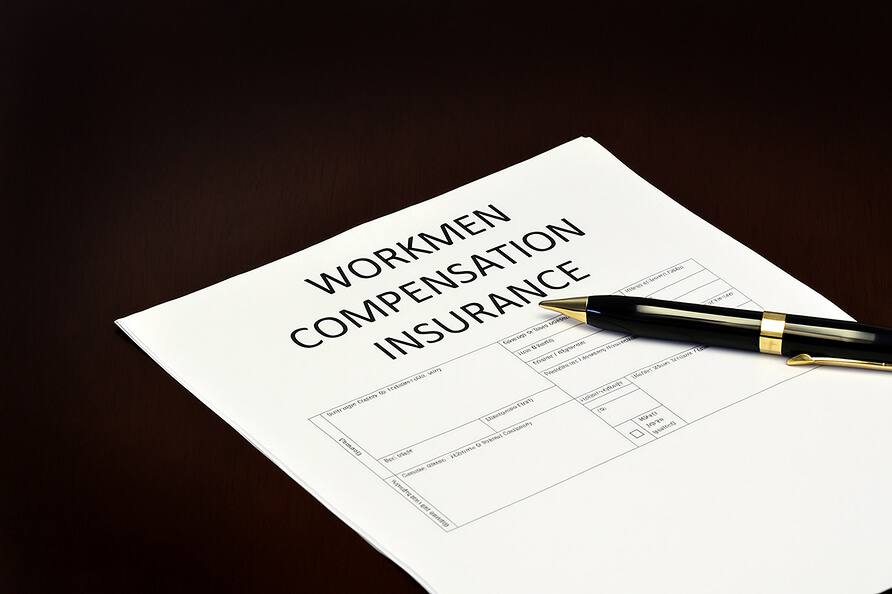
Running a business in Dubai sounds exciting, and it can be. The city’s full of chances, great buildings, fast roads, and smart workers from all over. But all that comes with a big job: looking after your people.
Accidents don’t wait. They can happen anywhere. On a building site, in a storage room, or at a desk. That’s why every boss needs to know what workmen compensation insurance policy is and what the Dubai law says about it.
Why Bosses Can’t Just Wing It
Let’s be real. If someone gets hurt at work, it’s not just their problem. It hits the whole team. It hits your name. And by law in the UAE, you have to pay for their medical bills, lost wages, injuries, and if the worst happens, even death costs.
No insurance? Then you’re paying out of pocket. That means hospital fees, long-term care, and big payouts. One serious accident could crush a small business’s profits.
So, this isn’t just about following rules. Getting a workmen compensation insurance policy is being smart. It protects your workers and your business too.
What the Law Says
If you employ staff in Dubai, you are legally required to provide protection. The law outlines specific obligations:
- Employees injured at work must receive medical treatment at the employer’s expense.
- In the case of permanent disability or death, the employee or their family must receive compensation. This amount is usually calculated based on 24 months of basic salary, with minimum and maximum thresholds applied.
- Payments must be made within a fixed timeline, often ten days after the medical authority confirms the injury details.
In many Dubai free zones, you won’t even get your business license renewed unless you have a valid Workmen’s Compensation policy in place.
What a Good Policy Should Cover
Not all insurance policies are the same, but a strong Workmen Compensation Insurance Policy should include:
- Medical expenses, from surgeries and hospital stays to rehabilitation.
- Wage protection for workers who are recovering.
- Disability compensation, whether partial or permanent.
- Death benefits and repatriation costs if the worst happens.
If an employee dies on the job, the company may need to cover funeral costs or help support the family. That’s part of the deal.
Some companies go a step further. They add extra coverage—like 24-hour protection or insurance for workers who travel overseas. These add-ons might seem small, but they can really help when things go sideways.
What’s Not Covered?
Not everything counts. If someone gets hurt because they were acting wild or doing something dangerous on purpose, that’s on them. Same goes for self-harm, drug or alcohol use, or if the injury has nothing to do with the job.
Basically, if the accident isn’t tied to work—or if it’s caused by something the person shouldn’t have been doing—the insurance won’t pay.
How Premiums Are Decided
Employers often wonder why premiums vary so much. The reason is risk. A construction company has a very different risk profile compared to an IT consultancy.
Insurers typically look at:
- The type of work employees perform.
- The number of employees and total payroll.
- Previous claim history.
- Any extra coverage or extensions added to the policy.
The important point here is not to go for the cheapest option blindly. A poorly designed policy with gaps in coverage may save money upfront but will cost much more if a claim is denied.
A Practical Approach for Employers
So, how do you make sure you’re not caught off guard? Here’s a plain list of things every boss should actually do:
- Look at the jobs your people do. Spot the risky ones.
- Talk to a proper insurance broker. Someone who knows how Dubai rules work.
- Don’t just skim the paperwork. Read the policy. Know what’s in and what’s out.
- Keep your insurance papers up to date. Sometimes, officials come asking.
- Teach your team what to do if something goes wrong. They should know how to report it and how to file a claim.
- Don’t let the policy expire. Renew it on time. If your team grows or changes, adjust the coverage.
It’s not rocket science. Just basic steps to keep your people—and your business—safe.
The Cost of Non-Compliance
Some employers think, “We’re in a low-risk business. Nothing will happen.” But accidents don’t always come from high-risk tasks. A simple fall in an office, or a back injury from lifting equipment, can still lead to costly claims.
Ignoring coverage can result in:
- Large out-of-pocket expenses for treatment and compensation.
- Government fines or suspension of your trade license.
- Lawsuits or employee disputes.
- Damage to your reputation as an employer.
In other words, skipping insurance isn’t saving—it’s gambling.
How CoverB Supports Businesses
Choosing the right partner makes the process easier. At CoverB, we help companies in Dubai and across the UAE secure the right coverage without unnecessary complexity. Our role is simple: understand your business, explain your options, and match you with a Workmen Compensation Insurance Policy that fits your needs.
We also guide employers through claims if they arise, so you don’t face the process alone. The aim isn’t just compliance, but peace of mind—for you and your employees.
Final Word
Workmen’s compensation is not just a box to tick when setting up a company in Dubai. It’s a core responsibility that ensures workers are treated fairly, and employers are protected from unexpected costs.
With the right Workmen Compensation Insurance Policy, you can run your business knowing that both your people and your company are secure. That peace of mind is worth far more than the policy premium you pay each year.
Contact us today
Secure Your Future with a Quick Quote
Secure your insurance with CoverB